Watch this short movie about Alfred Wegener and his continental drift hypothesis (follow along with worksheet in notebook:
(Sorry... there are a few short commercials)
Tuesday, March 8, 2011

Friday, February 25, 2011
Student Led Conferences
Third Quarter Student Led Conferences (SLC) are coming up on March 1 & 2. Make sure you know what time you're coming to meet with your student in their TA class.
Thanks for your support for this program.
Thanks for your support for this program.
Feb 21-25: Ocean Organism Research

Monday - Life: Fish movie as an introduction to adaptation and symbiosis
Tuesday - Thursday - Research in the computer lab. Students were given one of 4 possible projects. Two of the projects focus on ocean adaptations (some will create their own fish species that will be adapted to future ocean climates & some will create 4 food webs of organisms living in different ocean habitats). The other two projects focus on symbiotic relationships (some will create 3 imaginary symbiotic pairs of ocean organisms, and some will create a children's storybook explaining a symbiotic relationship). The research for this project was completed by Thursday and will be presented at student led conferences. The actual product (species, food webs, pairs, or storybook) will be made next week.
 Friday - Ocean dynamics quiz
Friday, February 18, 2011
Ocean Level Changes Websites
These are the links for the Ocean Level Changes Webquest:
1. Map of East Coast
2. Climate Variability and Change and New York City Planning for the Future
3. Arctic Change
4. Sea Level Rise Animation in Google Earth
5. Cretaceous Paleogeography, Southwestern US
1. Map of East Coast
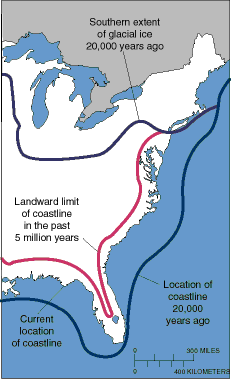
2. Climate Variability and Change and New York City Planning for the Future
3. Arctic Change
4. Sea Level Rise Animation in Google Earth
5. Cretaceous Paleogeography, Southwestern US
Feb 14-18: Ocean depth, tempertature, El Nino, & Ocean Level Changes
We're wrapping up the properties of the oceans this week with the following activities:
Monday & Tuesday - Continue pg 11 notes - Ocean depth, temperature, etc.
Wednesday - El Nino (p13 - brief over view of what El Nino is, how it affects currents, and global weather patterns.)
Thursday & Friday - Ocean Level Changes (p15 - students use several sites on the internet to look at how ocean levels have changed over time - especially how they may be currently changing, and the problems that could cause).


Monday & Tuesday - Continue pg 11 notes - Ocean depth, temperature, etc.
Wednesday - El Nino (p13 - brief over view of what El Nino is, how it affects currents, and global weather patterns.)
Thursday & Friday - Ocean Level Changes (p15 - students use several sites on the internet to look at how ocean levels have changed over time - especially how they may be currently changing, and the problems that could cause).


Feb 7-11: Sea Water Lab, Waves, Currents, & Salinity
We've moved on to oceans! Freshwater is still important of course, but now we'll focus on where the majority of the Earth's water resides - in salty oceans.
 Monday - Sea Water Lab (p10 - students looked at various properties of the ocean that we can simulate in the lab: density of salt water, convection currents, how waves move, water pressure, etc.)
Tuesday - Discuss lab & take fresh water review quiz
Wednesday - Ocean dynamics & properties notes (p11 & 12). We got through waves & started talking about currents.
 Thursday - Global Ocean Currents Map (p12 - colored and labeled the major ocean currents and their temperatures, discussing why they go the direction they do and why there are the temperature they are...)
Friday - pg 11 notes continued. We talked about salinity (salt water is more dense than fresh water - animals must be adapted to living in both fresh and salt water because of osmosis).
Tuesday - Discuss lab & take fresh water review quiz
Wednesday - Ocean dynamics & properties notes (p11 & 12). We got through waves & started talking about currents.
 Thursday - Global Ocean Currents Map (p12 - colored and labeled the major ocean currents and their temperatures, discussing why they go the direction they do and why there are the temperature they are...)
Friday - pg 11 notes continued. We talked about salinity (salt water is more dense than fresh water - animals must be adapted to living in both fresh and salt water because of osmosis).
Jan 31- Feb 4: Finsh Fresh Water Unit
We finished up our unit on fresh water this week, including a fun experiment on local water quality.
Monday - News article review of pollution examples in Salt Lake City
Tuesday & Wednesday- Water quality lab (students collected water samples from around town and tested them for various things: nitrate, ammonia, pH, copper, etc.)
Thursday - Finish & present water use brochures
Friday - Go over stations for Monday's lab & work on water budget homework.

Monday - News article review of pollution examples in Salt Lake City
Tuesday & Wednesday- Water quality lab (students collected water samples from around town and tested them for various things: nitrate, ammonia, pH, copper, etc.)
Thursday - Finish & present water use brochures
Friday - Go over stations for Monday's lab & work on water budget homework.

Jan 24-28: Chemical Dumping & Water-Use Brochures
We focused on more fresh water problems this week.
Monday & Tuesday - Midnight Chemical Dumping (p8 - students are investigating the source for chemicals that have gotten into the ground water).
Wednesday - Begin long-term water use plan for a preposed city. (Come up with solutions to water problems like salinity, pollution, drought, etc.)
Thursday - Fresh water Planet Earth movie guide (I was in meetings all day).
Friday - Work on Brochures for water use plans
Monday & Tuesday - Midnight Chemical Dumping (p8 - students are investigating the source for chemicals that have gotten into the ground water).
Wednesday - Begin long-term water use plan for a preposed city. (Come up with solutions to water problems like salinity, pollution, drought, etc.)
Thursday - Fresh water Planet Earth movie guide (I was in meetings all day).
Friday - Work on Brochures for water use plans
Thursday, January 20, 2011
Jan 19-21: Reservoirs
 I love short weeks - more than the students do, I think... Even though it's a short week, here's what we've done/ are doing/ will do.
Monday & Tuesday - NO SCHOOL!!!
Wednesday & Thursday - Water notes (p6) - what are the global and local reservoirs for water? How much water is fresh and could be drinkable for humans? How does the sun affect the movement of water in and out of the reservoirs?
Thursday - Continue Notes and take a short water quiz (water cycle, water properties, and reservoirs).
Friday - Correct quizzes & notebooks.
Friday will be our Freshmen Celebration Day during 6th and 7th periods. This is our opportunity as teachers to thank your students for all their hard work this last quarter. We will be playing lots of games and having a grand ol' time. Thanks for your support and encouragement. We hope that students who may have struggled at the end of the quarter will step it up this quarter - never to fall behind again!
Wednesday, January 12, 2011
Jan 10-14: Water Cycle & Properties!
We're finished with weather (not that the weather is ever finished...). We will be discussing a related topic though - water! This week we'll review the water cycle (they've known it since elementary school, I know... but we get to do it again with more detail and more emphasis on energy and pollution). We'll also be playing with water to determine some of water's unique properties that make it important for life and important to protect.
 Monday - Take out important notes from the last unit, and get new pages for the water unit. Start review of the water cycle with "The Magic School Bus" (we really are going back to elementary school!) Students drew everywhere the kids went and added the scientific terms for the processes they saw (pg5 front).
Tuesday - Water properties lab (pg5 back). Students were given materials to play with in order to learn as much as they could about water.
Wednesday - Finished the written portions of page 5. For the water properties, students should be able to explain: cohesion, adhesion, the repulsion of water and oil, and that water is the universal solvent. For the water cycle, they should understand evaporation, condensation, precipitation, runoff, infiltration, and collection.
 Thursday - Aquifer lab (p7). Students will model how aquifers store water, how water is drawn into a well, and how pollution in our well water can be around for a very long time.
Friday - Finish lab questions if necessary (p7). Start water reservoir notes - p6. Students will understand the various reservoirs for water on our planet and will have a general understanding of how much of the Earth's water is in each type of reservoir (97% in the ocean... that doesn't leave us much to drink!)
School will not be held Monday for Martin Luther King Jr. Day, and we will not have school Tuesday either for teacher-grade-putter-inner day (I'm sure there's a more technical term, but this what ya get). We'll pick up again on Wednesday!

Tuesday - Water properties lab (pg5 back). Students were given materials to play with in order to learn as much as they could about water.
Wednesday - Finished the written portions of page 5. For the water properties, students should be able to explain: cohesion, adhesion, the repulsion of water and oil, and that water is the universal solvent. For the water cycle, they should understand evaporation, condensation, precipitation, runoff, infiltration, and collection.

Friday - Finish lab questions if necessary (p7). Start water reservoir notes - p6. Students will understand the various reservoirs for water on our planet and will have a general understanding of how much of the Earth's water is in each type of reservoir (97% in the ocean... that doesn't leave us much to drink!)
School will not be held Monday for Martin Luther King Jr. Day, and we will not have school Tuesday either for teacher-grade-putter-inner day (I'm sure there's a more technical term, but this what ya get). We'll pick up again on Wednesday!
Friday, November 19, 2010
Nov. 22-24: Ozone & Quiz
This week we're talking about ozone and taking a quiz!
Monday - Finish nitrogen and start ozone
Tuesday - Finish ozone and review
Wednesday - Quiz on nitrogen cycle and ozone

HAPPY THANKSGIVING!!!
I'm thankful for my job!
I'm thankful for the good days and the good students!
I'm thankful for the times when they make me laugh!
I'm thankful to go home at the end of the day!
Monday - Finish nitrogen and start ozone
Tuesday - Finish ozone and review
Wednesday - Quiz on nitrogen cycle and ozone

HAPPY THANKSGIVING!!!
I'm thankful for my job!
I'm thankful for the good days and the good students!
I'm thankful for the times when they make me laugh!
I'm thankful to go home at the end of the day!
Nov. 15-19 : Global Warming & Nitrogen Cycle
We're wrapping up our discussion about the carbon cycle, and possible human influences on it, and moving on to nitrogen. Nitrogen is important for the DNA and proteins in living things - so it's important to understand how it gets around and how we influence it as well.
Mon 15 - Greenhouse Lab (p8)
Tues 16 - Annotate global warming article
Wed 17 - Finish pg8 and play nitrogen cycle travelling game (10)
Thurs 18 - Nitrogen Cycle Notes (11)
Fri 19 - Finish notes
 With the nitrogen cycle we're going to talk a lot about how humans influence the amount of nitrogen in the soil and water by adding fertilizers. Too much fertilizer can be carried away by rain water into our groundwater, rivers, and oceans. It causes algae to bloom (grow) and many algaes actually can create deadly toxins. Do humans worry too much about green lawns? This might be a good topic for discussion if you want to do some critical thinking!
Mon 15 - Greenhouse Lab (p8)
Tues 16 - Annotate global warming article
Wed 17 - Finish pg8 and play nitrogen cycle travelling game (10)
Thurs 18 - Nitrogen Cycle Notes (11)
Fri 19 - Finish notes

Monday, November 8, 2010
Nov. 8-12: Carbon Cycle

Monday - Finish You're a Star projets & Carbon Cycle Notes (pg6)
Tuesday - Human Impacts on the Carbon Cycle (pg9)
Wednesday - Most 9th graders are going to the play. Those who stay will be given an alternative assignment.
Thursday - Carbon Cycle Quiz for R&S.
Friday - Finish human impacts notes.

Thursday, November 4, 2010
Nov. 1-5: Carbon Cycle
The new quarter has finally arrived. Last week students took a big exam on all of our astronomy stuff that we've covered over the first quarter. They took it on Thursday and then had a chance to retake it on Friday if they didn't pass. The students who did pass went to a cool "Halloween" science demonstration put on by Mr. Hammari who also teaches Earth systems. It sounded like it was really fun, and I wish I could have gone up there to watch, but I was in charge of retesting and of my 8th graders that I had for the other half of the day.
Here's what we've done/ are doing this week:
Monday - No School
Tuesday - You're a Star work day (Apollo 13 movie in the afternoon).
Wednesday - Make new folders and recycle the old stuff - discussion on Earth's spheres (pg5)
Thursday - Half of the carbon sinks and sources lab (pg7) & part of carbon cycle notes (pg6)
Friday - Finish pg 7 lab and work on pg 6 notes
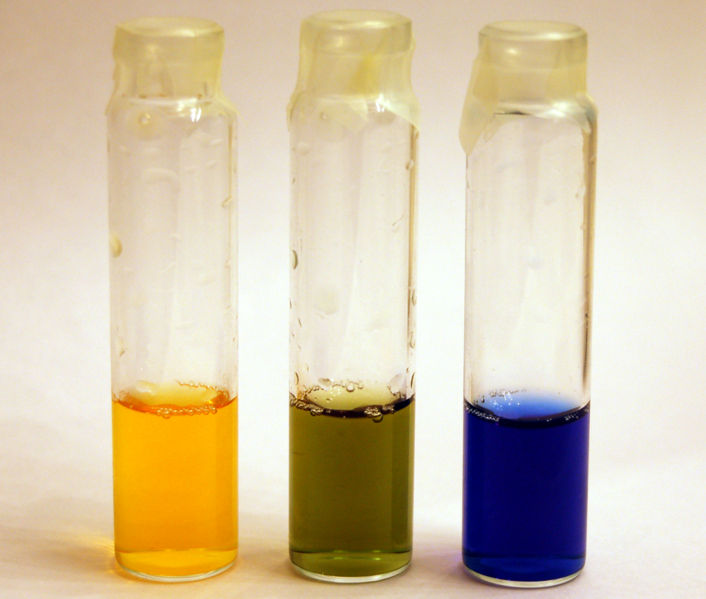
 For extra credit: Post a comment describing what the colors of the bromothymol blue solution pictured here mean.
Here's what we've done/ are doing this week:
Monday - No School
Tuesday - You're a Star work day (Apollo 13 movie in the afternoon).
Wednesday - Make new folders and recycle the old stuff - discussion on Earth's spheres (pg5)
Thursday - Half of the carbon sinks and sources lab (pg7) & part of carbon cycle notes (pg6)
Friday - Finish pg 7 lab and work on pg 6 notes
Wednesday, October 20, 2010
Oct 18-22: Solar System, Quiz, & Build a Planet
We've got so much to do before the end of the quarter! AHHHHHH... So here's what we've been working on this week.
Monday - Formation of the solar system (pg 15)
Tuesday - Finish pg 15
Wednesday - Quiz (Star Cycle, Heavy Elements, & Formation of the solar system)
Thursday - Design a planet
Friday - Finish designing planet computer activity.
We will be having an end of quarter test next week (hopefully on Thursday 28th). It will cover all of our astronomy stuff from the beginning of the year to the present:
Big Bang
Red/Blue Shift
Microwave background radiation
Star Cycle
Heavy Element Formation
Our Sun compared to other stars
Formation of the solar system
Requirements for life on alien planets
Earth compared to other planets in the solar system
Monday - Formation of the solar system (pg 15)
Tuesday - Finish pg 15
Wednesday - Quiz (Star Cycle, Heavy Elements, & Formation of the solar system)
Thursday - Design a planet
Friday - Finish designing planet computer activity.
We will be having an end of quarter test next week (hopefully on Thursday 28th). It will cover all of our astronomy stuff from the beginning of the year to the present:
Big Bang
Red/Blue Shift
Microwave background radiation
Star Cycle
Heavy Element Formation
Our Sun compared to other stars
Formation of the solar system
Requirements for life on alien planets
Earth compared to other planets in the solar system
Monday, October 11, 2010
Oct 11-13: Heavy Elements
Another short week of school...
Monday - Heavy elements game... go through the star cycle and learn how elements fuse together to make heavier and heavier elements.
Tuesday - Review of heavy elements questions
Wednesday - You're a star explanation and beginning of project.
Thursday & Friday - FALL BREAK!!!

Monday - Heavy elements game... go through the star cycle and learn how elements fuse together to make heavier and heavier elements.
Tuesday - Review of heavy elements questions
Wednesday - You're a star explanation and beginning of project.
Thursday & Friday - FALL BREAK!!!

Wednesday, October 6, 2010
Oct 4-8: Reality Town & Star Life Cycle
Students had the opportunity to participate in Reality Town this Tuesday. They were given job options based on their collective GPA from 7th and 8th grade (kids with a 4.0 had unlimited options where kids with a 1.0 could only choose from a much smaller selection). They had to use their monthly wages to pay bills, buy groceries, etc. Hopefully it was a good experience for them on what the "real world" is like.
In science though, we're learning about the star cycle.
Monday - We did a brief chemistry review that hopefully will be helpful to students when we start talking about nuclear fusion... in stars... not bombs.
Tuesday - Reality Town!!! We also did a brief review of graphing. They were assigned graphing homework, but most students got it done in class. If not, then it is due Friday.
Wednesday - We did a post reality town survey and then talked about the star cycle.
Thursday - Finish star cycle notes...
Friday - Graphing homework due. Finish and grade work. Start You're a Star Project.

In science though, we're learning about the star cycle.
Monday - We did a brief chemistry review that hopefully will be helpful to students when we start talking about nuclear fusion... in stars... not bombs.
Tuesday - Reality Town!!! We also did a brief review of graphing. They were assigned graphing homework, but most students got it done in class. If not, then it is due Friday.
Wednesday - We did a post reality town survey and then talked about the star cycle.
Thursday - Finish star cycle notes...
Friday - Graphing homework due. Finish and grade work. Start You're a Star Project.
Wednesday, September 29, 2010
Sept 27-30: Big Bang!!!
We've been focusing on the Big Bang this week.
Monday - Finished Part 1 of Steven Hawking's Universe which talked about the evidence for the Big Bang and wrapped up how our theories of the creation of the universe have changed over time because of improvements in technology.
Tuesday - We read the textbook yay!!! Students read a couple pages about the current evidence for the Big Bang, specifically red shifting of stars and galaxies and cosmic microwave background radiation. After reading, they made a "mini-poster" on the back of their paper to illustrate what they learned.
Wednesday - Students attended a presentation by a banker in preparation for reality town which will be held next Tuesday. They learned how to write checks and hopefully learned a lot about credit, debt, and how to handle money.
Thursday - Quiz time again! This quiz will cover red/blue shift, Big Bang, past theories, and technology. Should be fabulous!
Friday - NOOOO SCHOOOOL!!! It's teacher comp day because of student led conferences (Wed & Thurs evenings). Enjoy your day off!

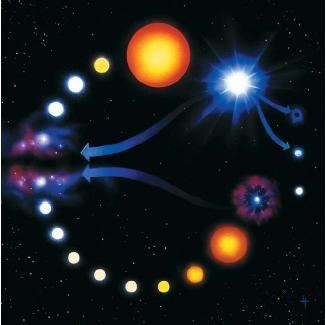
Extra Credit: Post a comment explaining what this picture is all about.
Monday - Finished Part 1 of Steven Hawking's Universe which talked about the evidence for the Big Bang and wrapped up how our theories of the creation of the universe have changed over time because of improvements in technology.
Tuesday - We read the textbook yay!!! Students read a couple pages about the current evidence for the Big Bang, specifically red shifting of stars and galaxies and cosmic microwave background radiation. After reading, they made a "mini-poster" on the back of their paper to illustrate what they learned.
Wednesday - Students attended a presentation by a banker in preparation for reality town which will be held next Tuesday. They learned how to write checks and hopefully learned a lot about credit, debt, and how to handle money.
Thursday - Quiz time again! This quiz will cover red/blue shift, Big Bang, past theories, and technology. Should be fabulous!
Friday - NOOOO SCHOOOOL!!! It's teacher comp day because of student led conferences (Wed & Thurs evenings). Enjoy your day off!
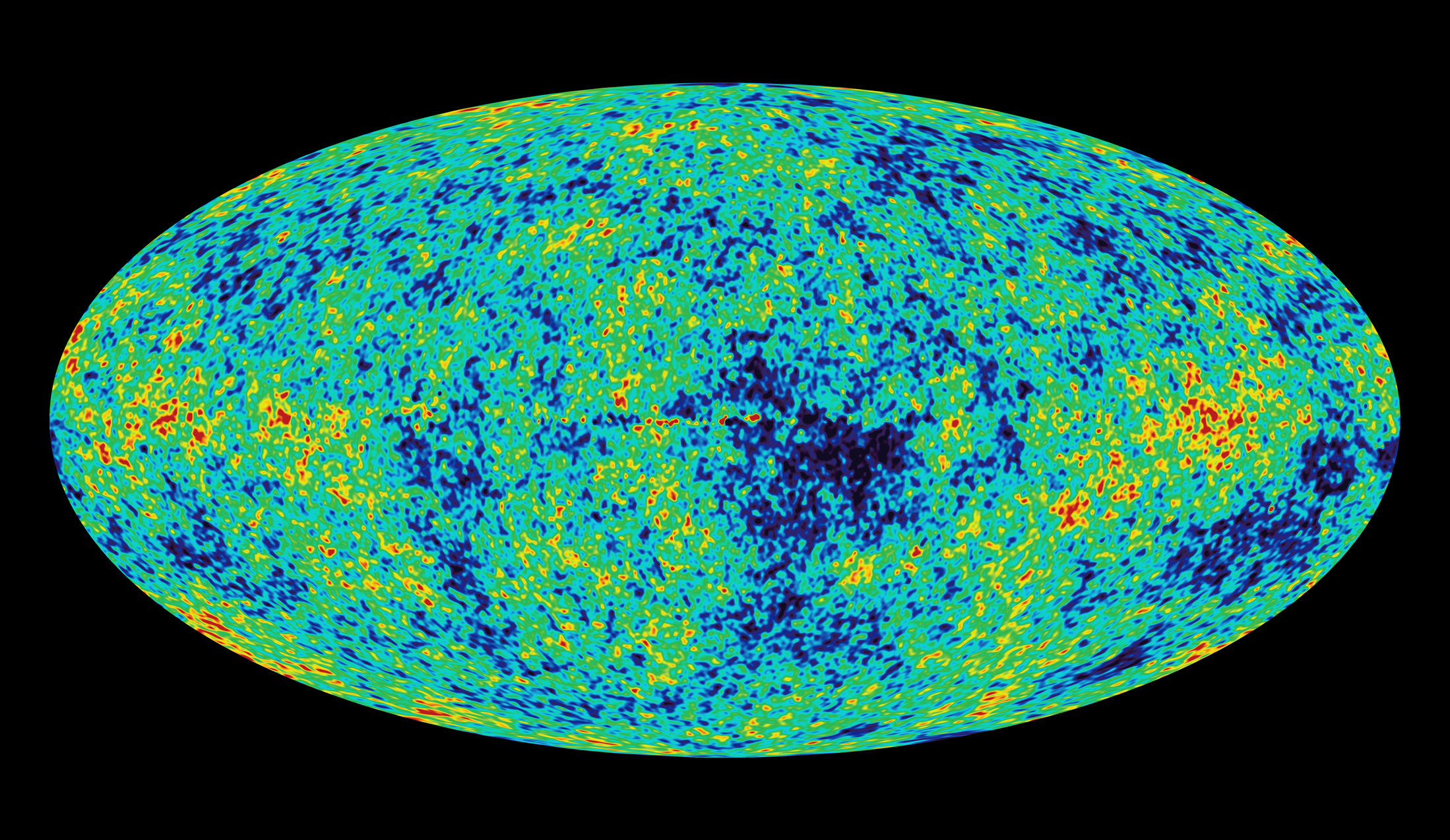
Extra Credit: Post a comment explaining what this picture is all about.
Thursday, September 23, 2010
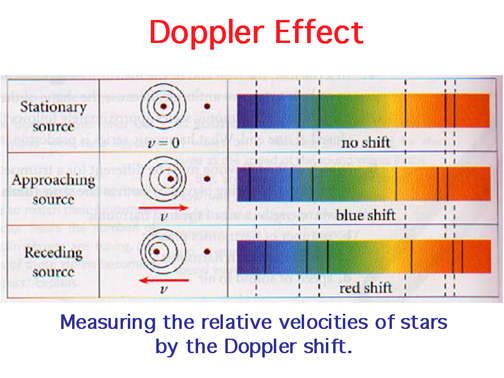
News Article Link for Doppler Effect HW
Click on the title below for a link to the news article you must read to complete the homework.
Explained: the Doppler effect
Friday, September 17, 2010
Sept 20-27: Doppler & Spectral Analysis
This week we're going to talk about the Doppler Effect... you know, that weird noise you hear when an ambulance or train passes. The Doppler Effect not only applies to sound however, it applies to all things that travel in waves - including light. Astronomers have used the Doppler Effect on light to determine that the universe is expanding... pretty cool huh? So this week we're going to talk about how stars and galaxies are analyzed and how the colors of the spectrum apply to the Doppler Effect and the Big Bang Theory. It's very cool stuff, and your student would definitely benefit from your asking him/her to explain it to you! Teaching is the best way to learn... believe me.

Subscribe to:
Posts (Atom)